


Frequently Asked Questions
What is VITA?
VITA, or VMEbus International Trade Association, is an organization that develops and promotes standards for high-performance computing systems. VITA standards ensure interoperability and reliability in embedded systems, particularly for military and aerospace applications.
What is SOSA?
SOSA, or Sensor Open Systems Architecture, is an initiative led by the U.S. Department of Defense to create open standards for sensor systems. SOSA aims to enhance interoperability, reduce costs, and foster innovation by using modular and interchangeable components.
How do VITA and SOSA standards benefit embedded systems?
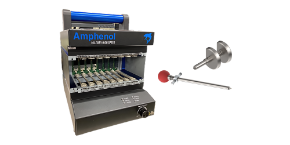
VITA and SOSA standards provide a framework for developing robust, high-performance embedded systems. They ensure compatibility and interoperability between components from different vendors, streamline the development process, and reduce time-to-market for new technologies. Open.Tech by Amphenol offers products like the R-VPX EVO2 connectors that comply with VITA standards, ensuring high-speed, reliable performance in demanding environments.
What is OpenVPX?
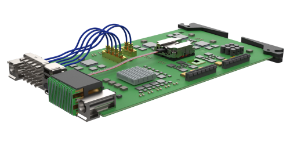
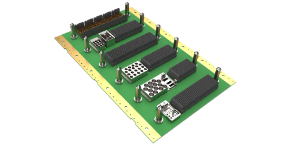
OpenVPX is a set of standards developed by VITA to define system-level interoperability for VPX (VITA 46) systems. It includes specifications for backplane and module profiles, ensuring that different components can work together seamlessly. Open.Tech by Amphenol's VPX product line, including the VITA 46 and VITA 65 connectors, is designed to meet these rigorous standards.
How do VITA standards address high-speed data requirements?
VITA standards like VITA 46.30 and VITA 67 define specifications for high-speed connectors and coaxial interconnects, supporting data rates up to 32 Gbps and higher. Open.Tech by Amphenol’s high-performance connectors, such as the R-VPX EVO2, are engineered to meet these requirements, providing superior signal integrity and reliability.
What are the key features of VITA 67 connectors?
VITA 67 connectors are designed for RF and microwave applications within VPX systems. They offer high-density, high-frequency coaxial contacts and are available in various configurations to suit different applications. Open.Tech by Amphenol's VITA 67.3 connectors, for example, support up to 12 SMPM contacts, providing flexible and efficient solutions for RF signal transmission.
What is the significance of SOSA for military and aerospace systems?
SOSA aims to create a unified, modular architecture for sensor systems, facilitating easier upgrades and maintenance. By aligning with SOSA standards, products like Open.Tech by Amphenol’s rugged connectors and optical transceivers ensure compatibility and long-term viability in military and aerospace applications.
How does Open.Tech by Amphenol support VITA and SOSA standards?
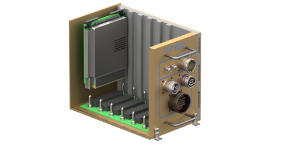
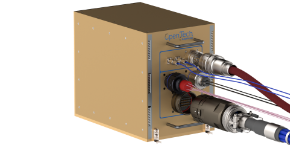
Open.Tech by Amphenol offers a comprehensive range of products designed to comply with VITA and SOSA standards. These include high-speed connectors, ruggedized systems, and modular solutions that enhance performance, interoperability, and reliability in critical embedded systems. For instance, our VITA 66.5 RF/Fiber Hybrid connectors are aligned with the latest SOSA specifications, ensuring optimal performance in harsh environments.
What are the benefits of using Open.Tech by Amphenol’s VITA and SOSA-aligned products?
Open.Tech by Amphenol’s VITA and SOSA-aligned products provide several benefits, including:
- High-speed data transfer capabilities
- Enhanced signal integrity and reduced crosstalk
- Robust construction for extreme environments
- Interoperability with other compliant systems
- Reduced development and maintenance costs
For more information on our VITA and SOSA-aligned products, please visit our product pages.
How do VITA and SOSA standards support modular and scalable system design?
Both VITA and SOSA standards emphasize modularity and scalability, allowing system designers to build flexible and upgradeable systems. Open.Tech by Amphenol’s modular solutions, such as our VPX and OpenVPX product lines, support these principles by providing standardized interfaces and configurable options that meet the evolving needs of military and aerospace applications.